Air emissions
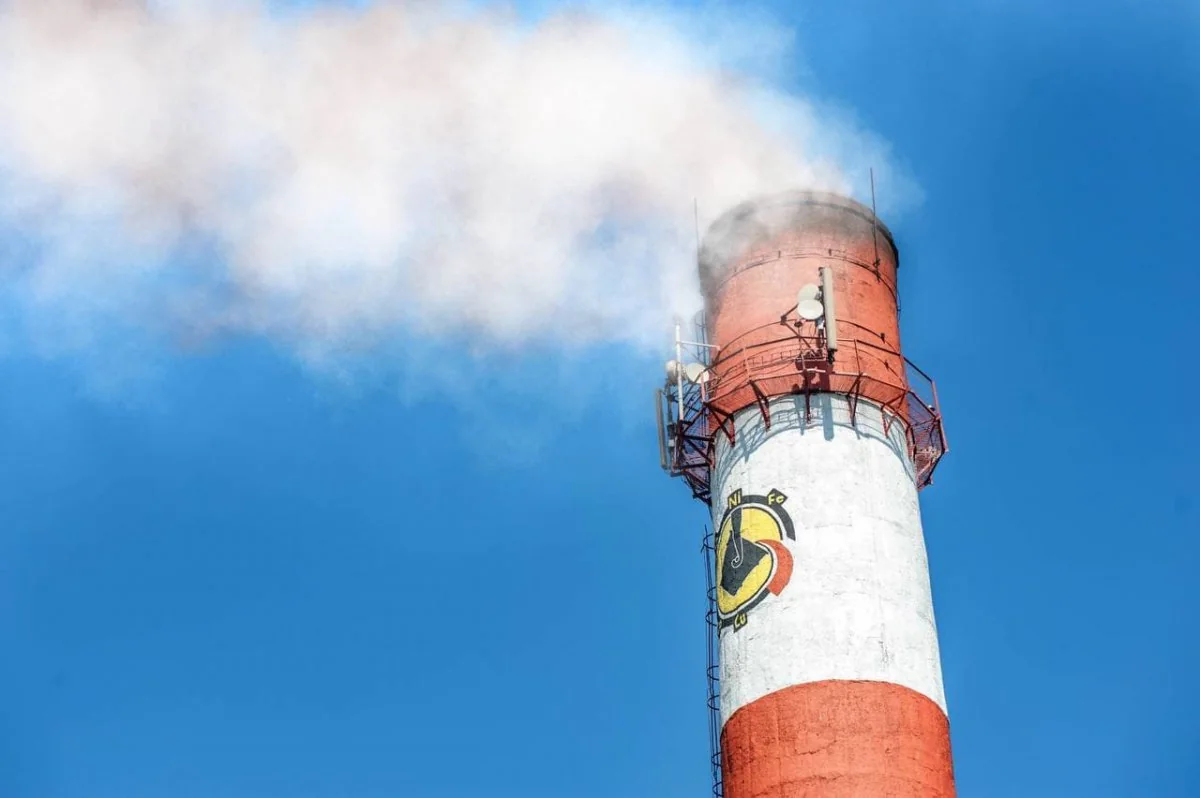
From 2017, PFK implemented a long-term programme to reconstruct third-stage gas-cleaning equipment serving rotary kilns Nos. 1 and 2, with a stated target of increasing purification performance toward 99.9%.
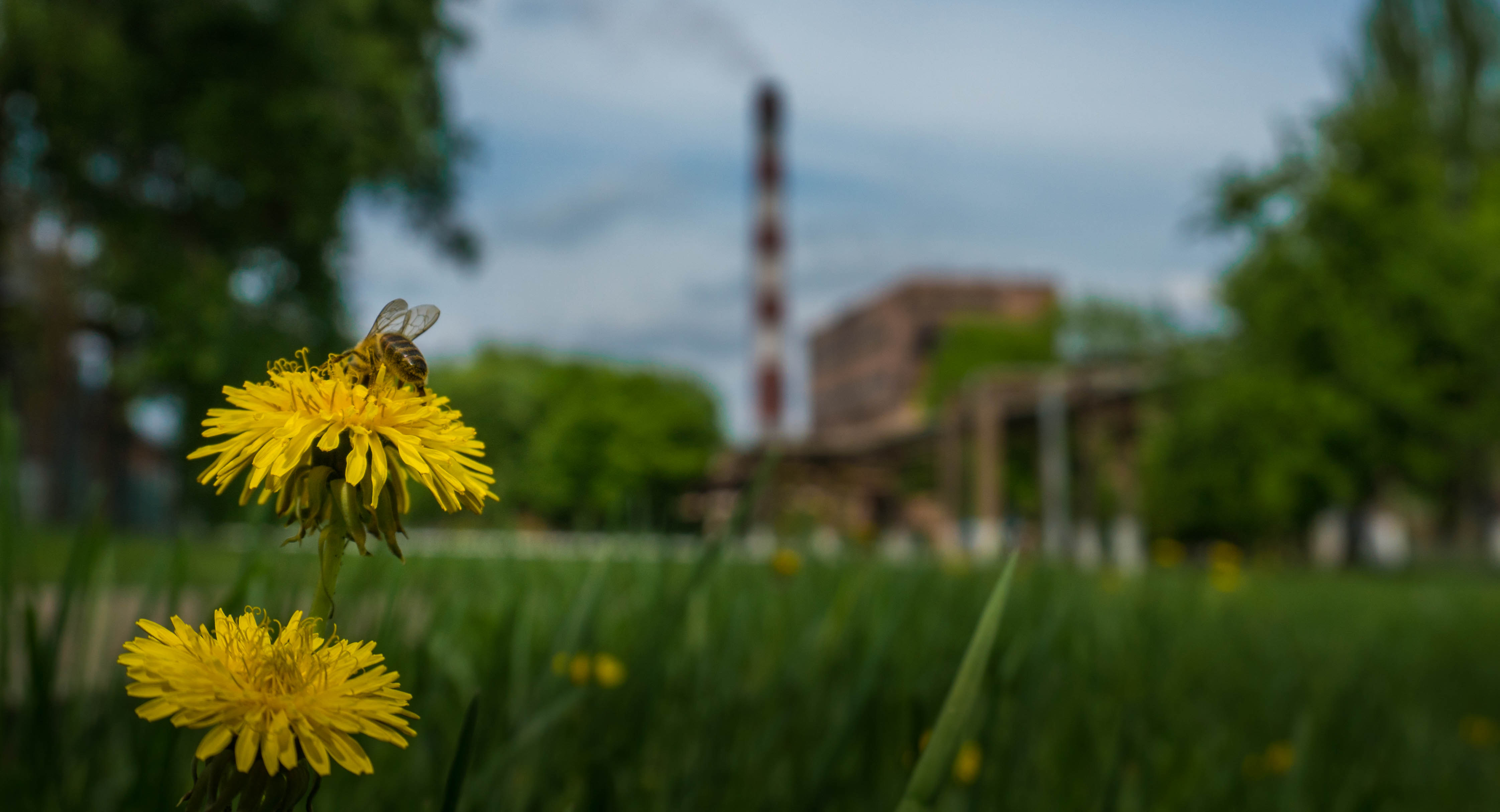
PFK has been closely connected with the people, environment and infrastructure of Pobuzhsky for more than half a century. Its future development therefore has to address more than industrial production alone.
Environmental performance, resource efficiency, safe working conditions and the long-term resilience of the surrounding community are integral to the next phase of the enterprise.
PFK’s historical development included substantial programmes in environmental protection, energy efficiency, industrial safety and community support. The objective under Avenir is to preserve what remains valuable from that experience while applying a more transparent, modern and measurable approach to future development.
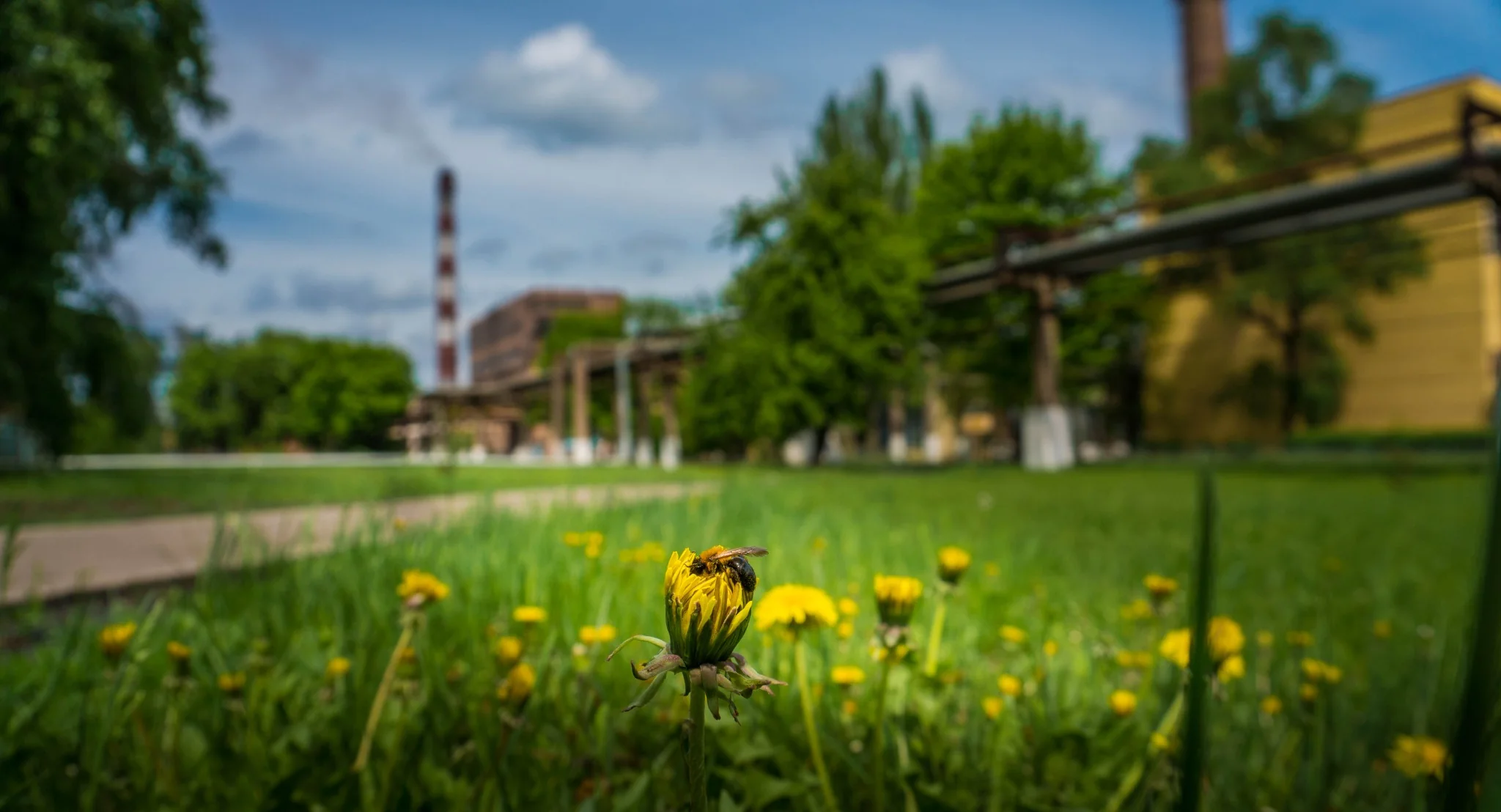
From 2017, PFK implemented a long-term programme to reconstruct third-stage gas-cleaning equipment serving rotary kilns Nos. 1 and 2, with a stated target of increasing purification performance toward 99.9%.
PFK developed industrial-water, wastewater-treatment and recycling systems intended to reduce discharge, improve treatment quality and reuse purified water in production.
Historical programmes included reclamation of disturbed land and productive use of industrial materials, creating a foundation for a broader circular-economy approach.
Historical records describe a wastewater-treatment system with a capacity of approximately 4,200 m³ per day serving both the plant and Pobuzhsky, together with a recycling system under which purified wastewater and rainwater were reused for production needs.
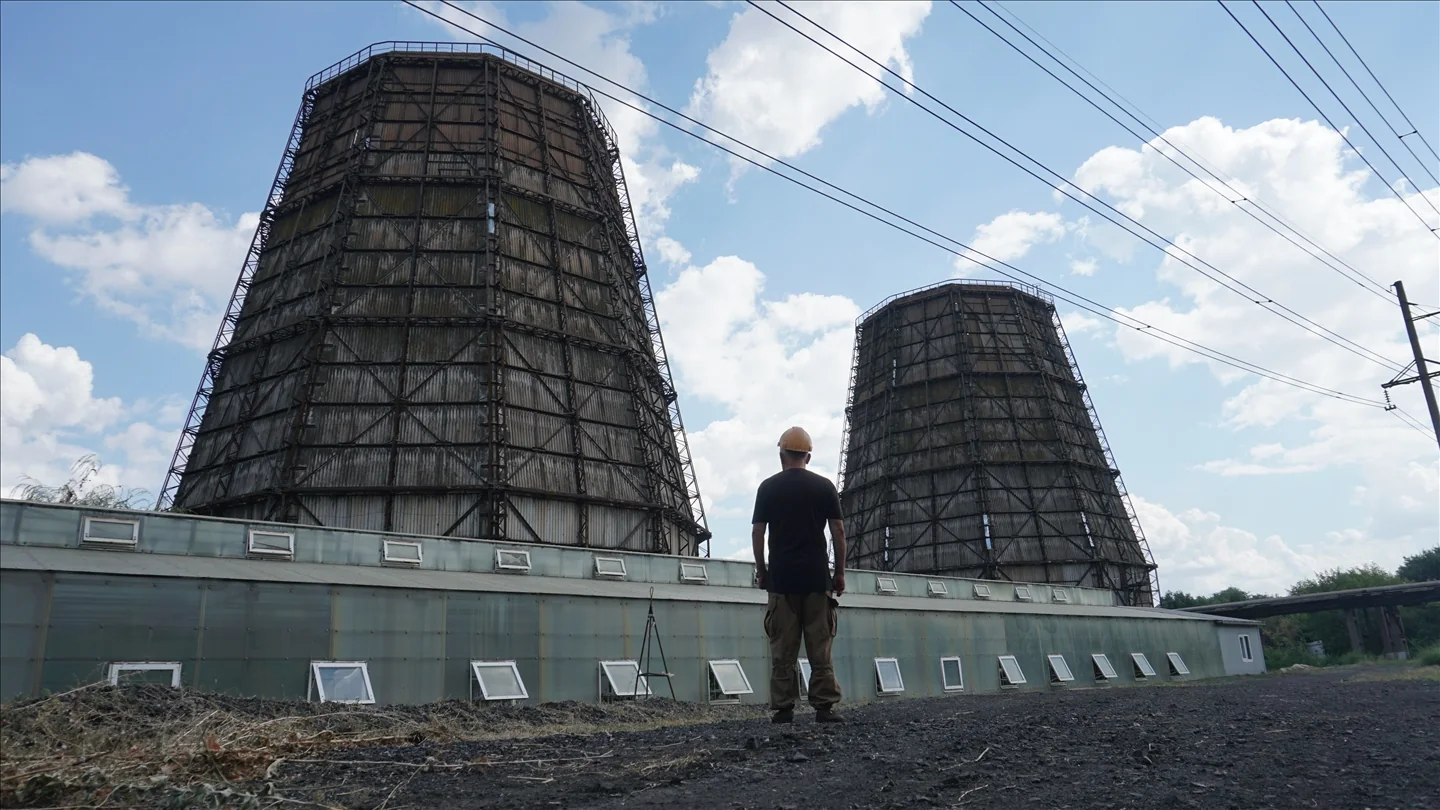
The historical reconstruction programme aimed to improve treatment quality, reduce energy consumption and manual handling, replace outdated mechanical and biological treatment equipment and reduce operating risk.
Historical ferronickel production created material streams that can potentially be recovered, processed and returned to productive use. PFK’s redevelopment strategy considers recovery of value from historic slag deposits as part of a wider circular-economy approach.

PFK historically operated within an integrated management framework covering quality, environmental management and occupational health and safety. Historical audit activity addressed workplace organisation, PPE, injury prevention, documentation and risk management.
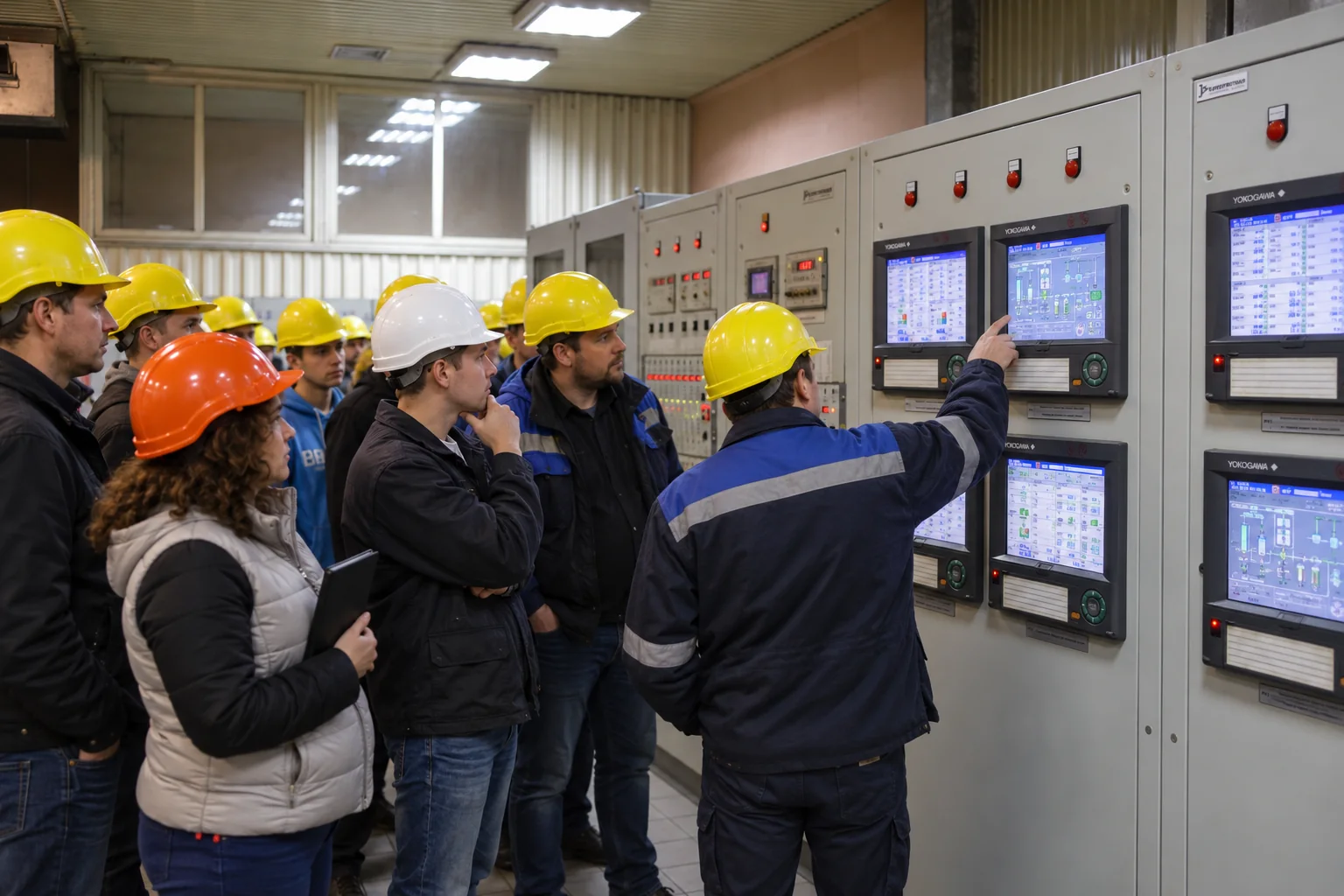
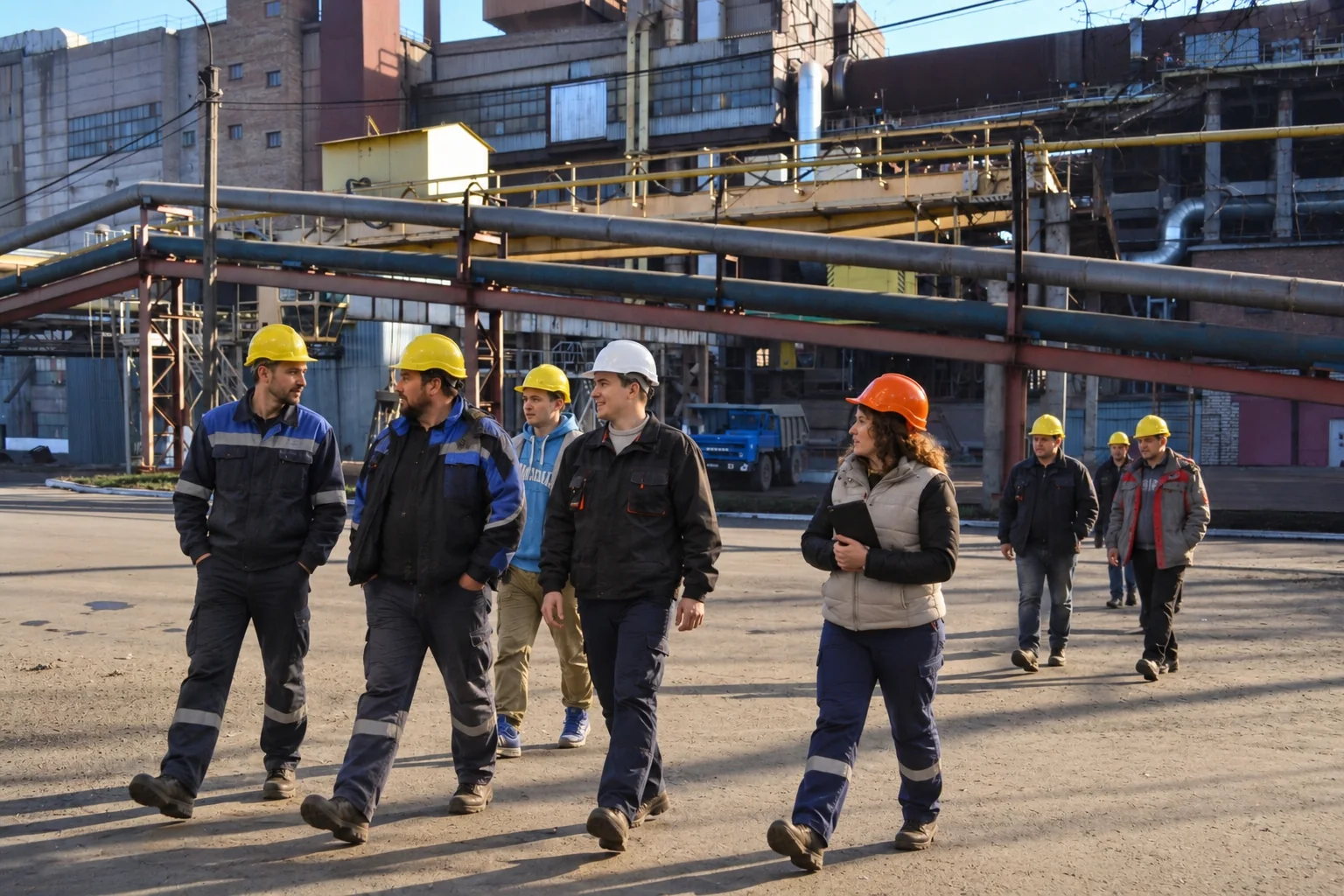
Employee representation and structured social dialogue have historically formed part of PFK’s institutional culture. Archived records describe a highly unionised workforce and formal mechanisms addressing labour rights, safe working conditions, remuneration, social matters and labour disputes.
PFK and Pobuzhsky have developed together for generations. The enterprise has historically played a role not only as an employer but also in local infrastructure, social programmes and community life.
Historical community programmes included support for educational and medical facilities, settlement improvements, sports and social infrastructure, as well as direct assistance through associated community organisations.
PFK has long been part of the Pobuzhsky community. Its relationship with the settlement has included support for local education, children and community life, including schools, kindergartens and other social infrastructure.
The aim is practical and local: to contribute to places and initiatives that matter to families and young people while maintaining a responsible long-term relationship between the enterprise and its surrounding community.
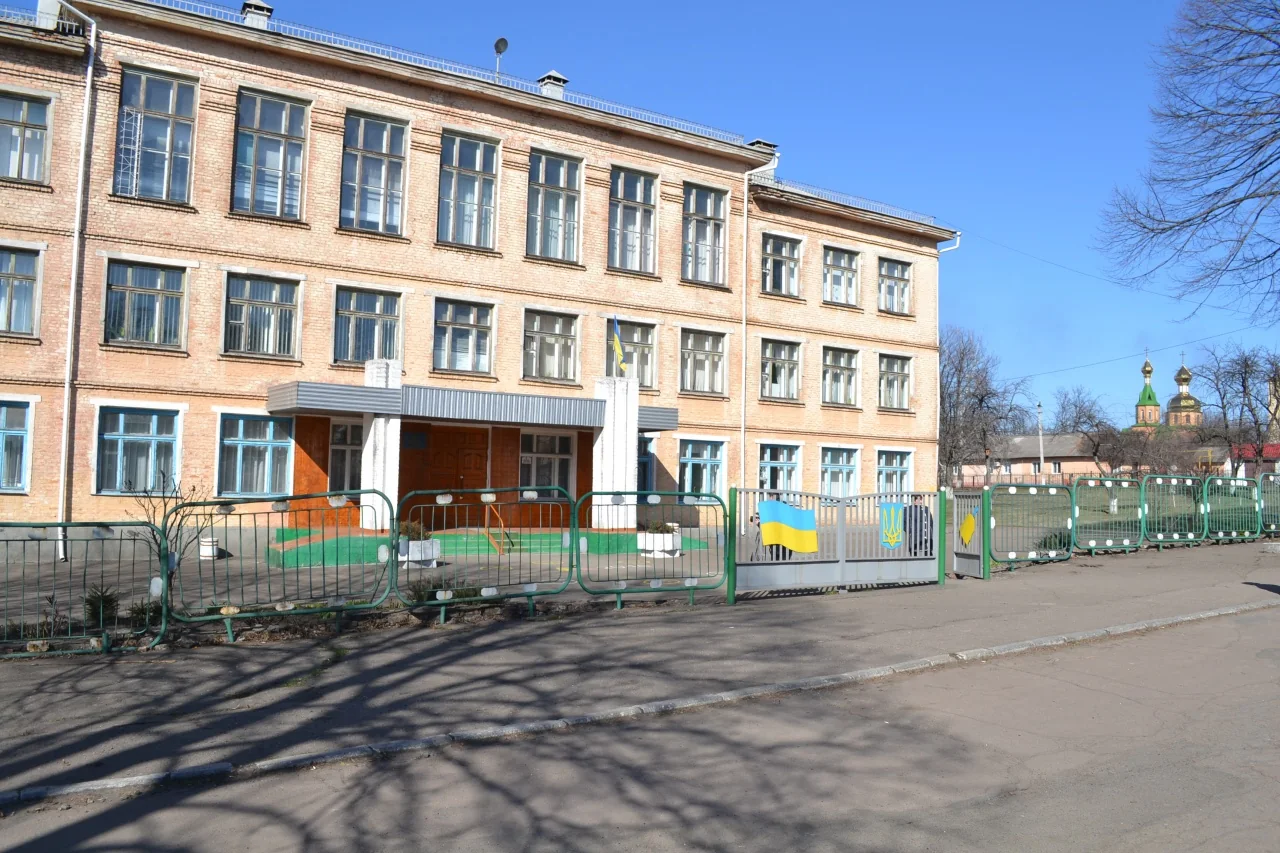
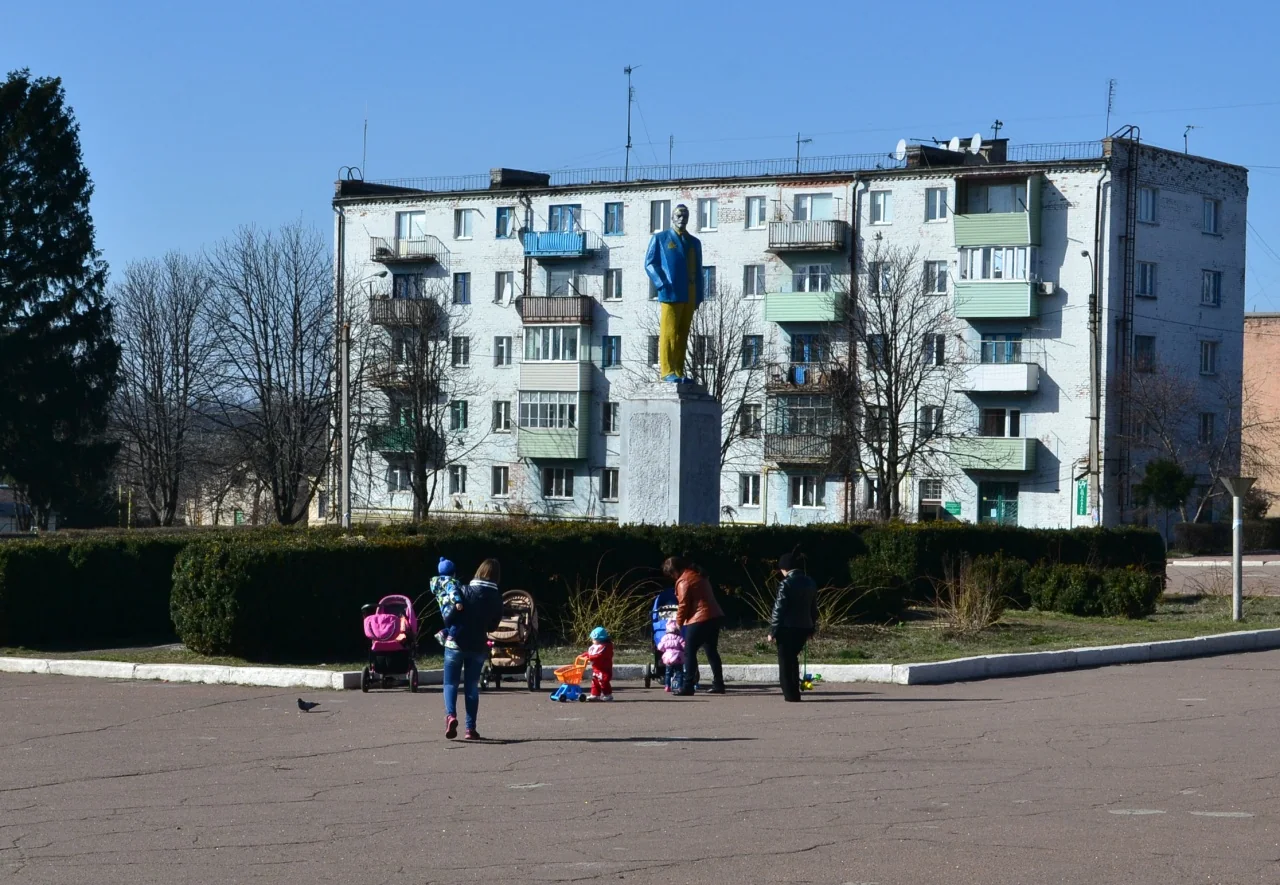
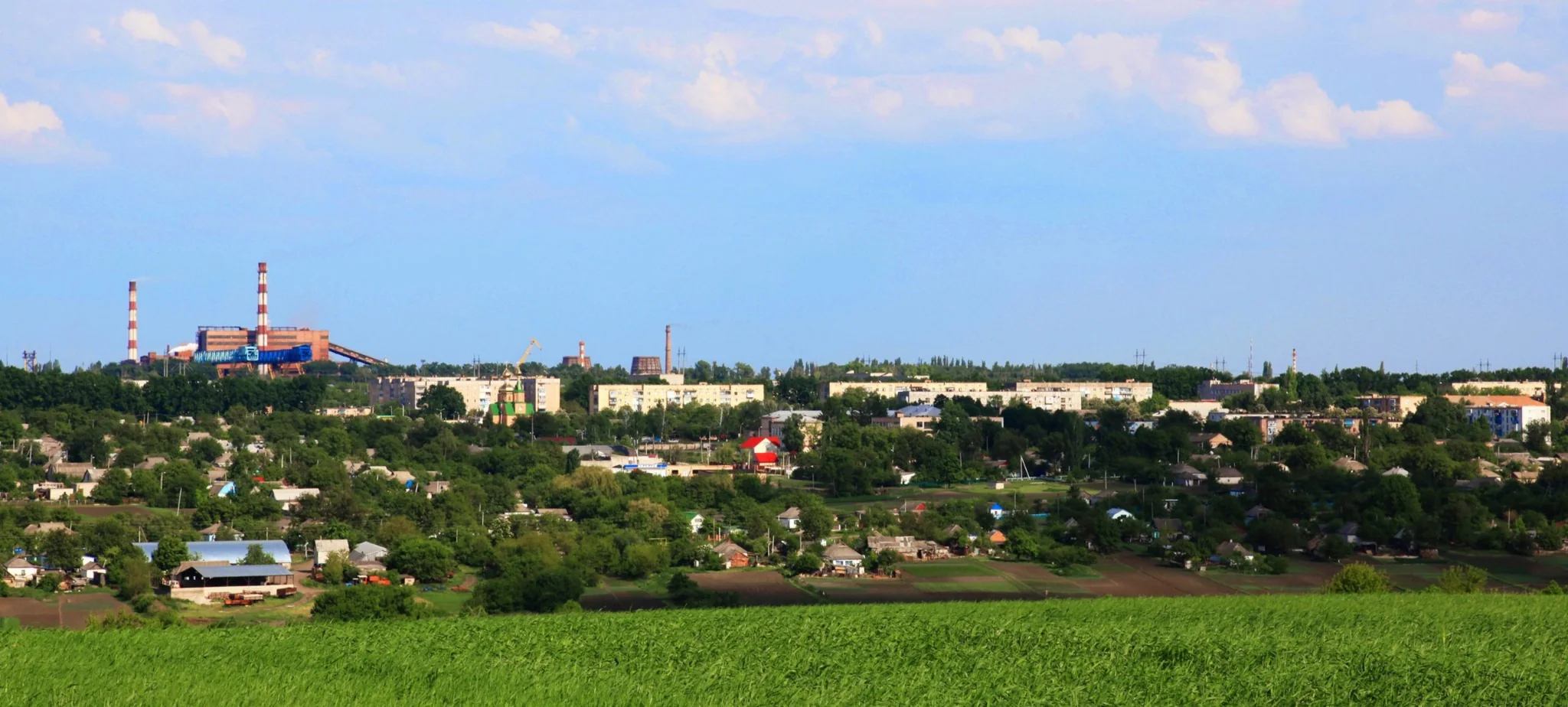
Russia’s full-scale invasion fundamentally changed the operating environment for PFK and the surrounding community. Archived records show that social obligations continued during shutdown conditions and that PFK remained involved in local support as internally displaced people were accommodated in Pobuzhsky.
Under Avenir, current stewardship is focused on preserving the industrial asset, maintaining responsible relations with employees and the community, and preparing a credible basis for future redevelopment.
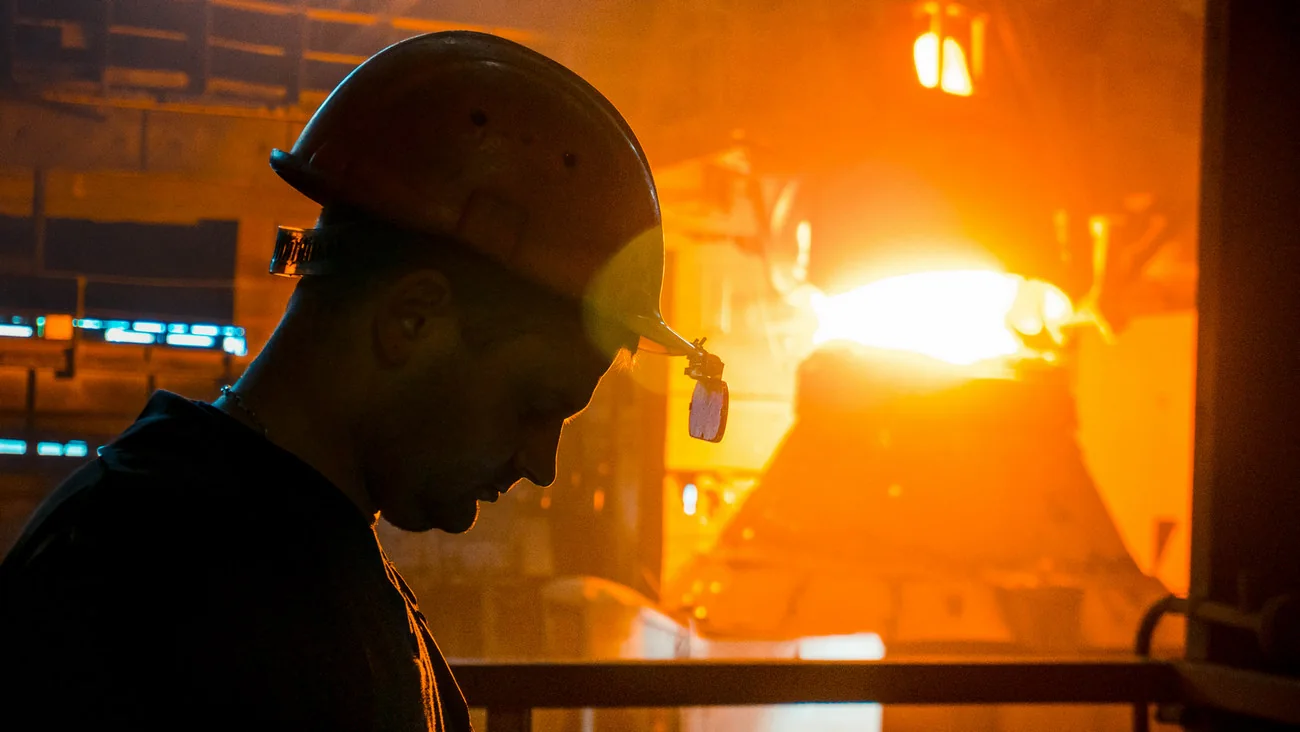

The relationship between PFK and Pobuzhsky has historically extended beyond employment. Industrial and community infrastructure have developed alongside one another, while PFK and associated organisations have supported educational, medical, social and municipal facilities.
Future redevelopment provides an opportunity to examine where investment in industrial utilities and infrastructure can also generate practical benefits for the surrounding community.
As PFK’s redevelopment progresses, Avenir intends to establish a structured mechanism for regular dialogue with the Pobuzhsky community, employees, local authorities and other relevant stakeholders. Its purpose will be to help identify priorities, review community impacts and improve transparency around future social and infrastructure programmes.
A formal Community Advisory Council is a future governance concept and will only be presented as established once its charter, composition and authority have been approved.
PFK’s historical grievance procedure used formal registration, admissibility review, resolution and monitoring. The new contact architecture will retain that principle of traceability: cases are registered, routed internally and retained for review.
Any future public service-level commitment, including acknowledgement or resolution deadlines, will be published only after the new Avenir-era grievance standard has been formally approved.
Submit a community concern or grievance →