Ore preparation
The historical process began with pre-drying of the ore feed, reducing moisture from approximately 30–35% to 18–20%. The dried ore was mixed with reducing agents and recycled dust recovered from electrostatic precipitators.
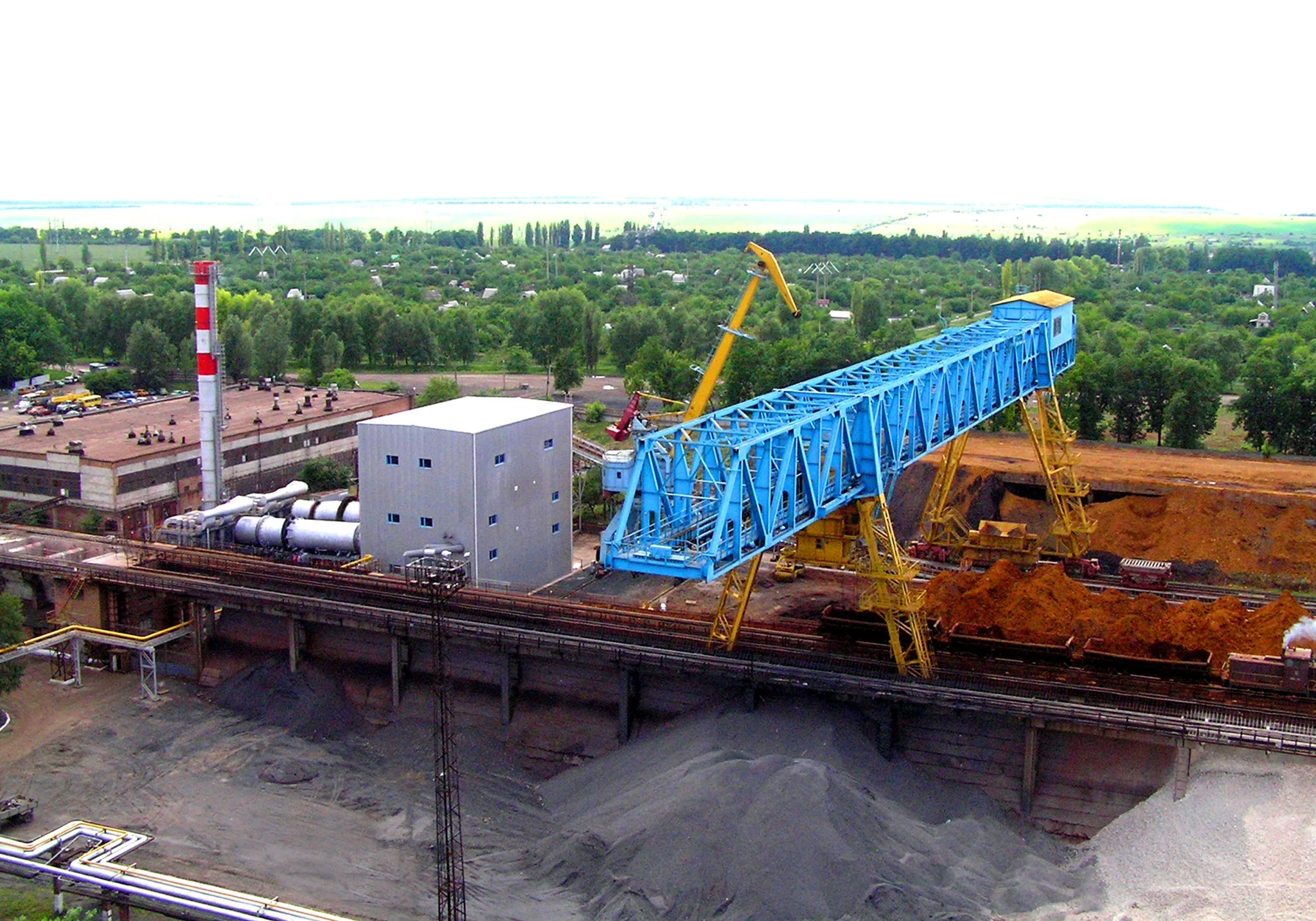
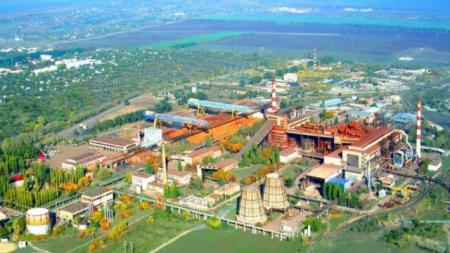
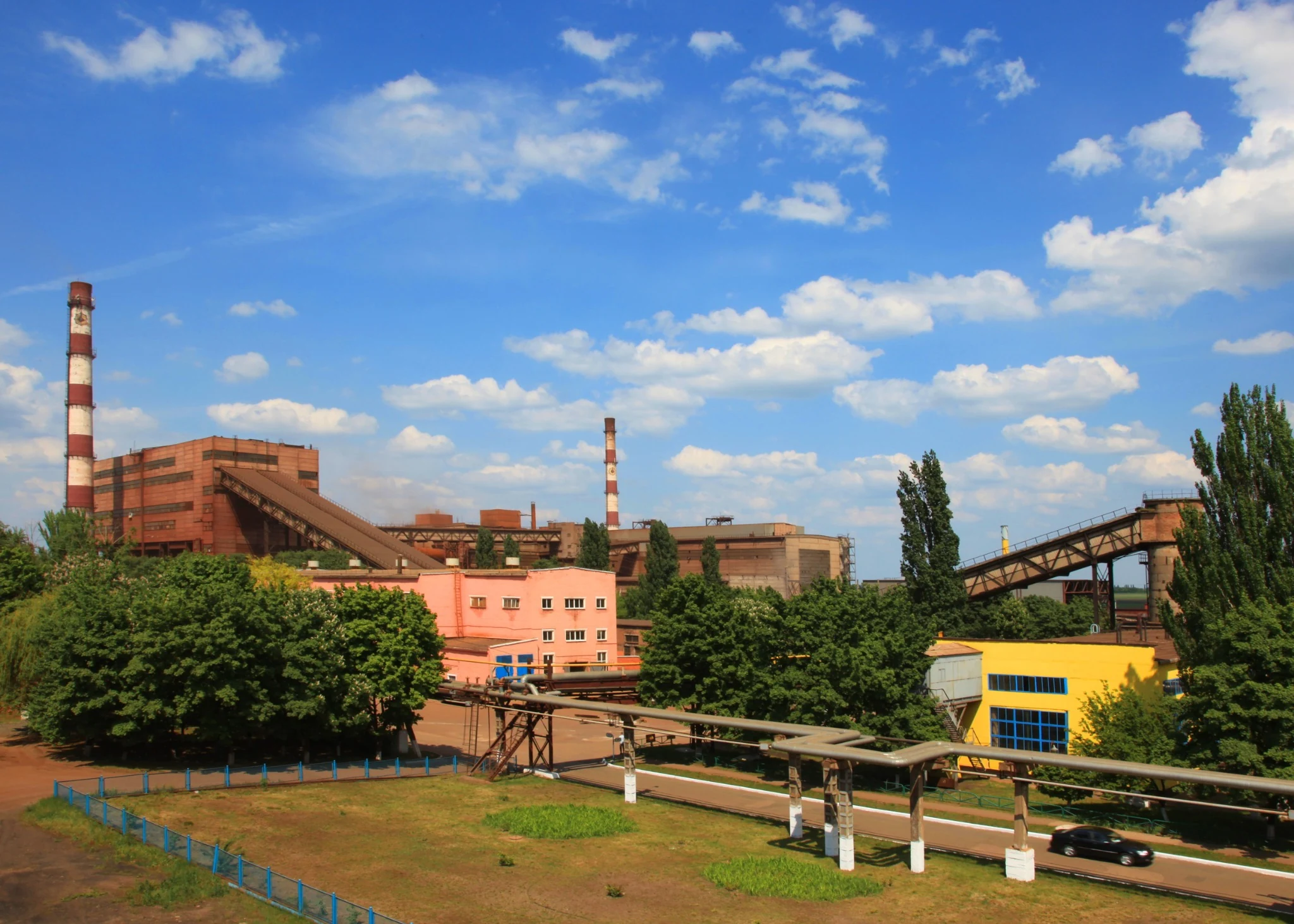
PFK was developed as an integrated ferronickel production complex, combining raw-material preparation, thermal processing, electric smelting, refining and product handling with the energy, transport, water and environmental infrastructure required to support large-scale metallurgical operations.
Today, that established industrial base represents both the foundation for the future restoration of metallurgical operations and a platform for wider industrial and energy development.
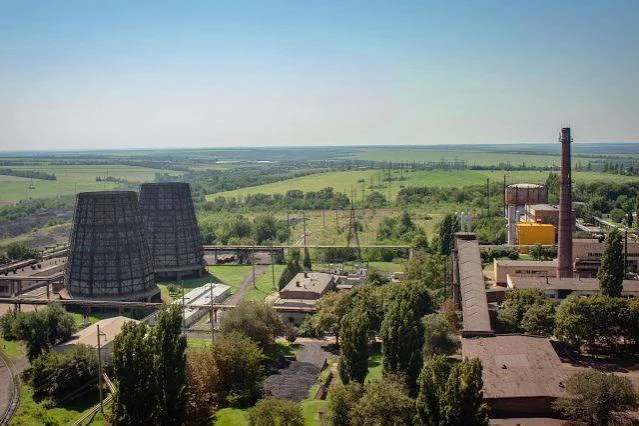
PFK’s production complex historically incorporated raw-material reception and preparation, tubular rotary kilns for thermal processing, ore-thermal electric furnaces for reduction smelting, converter facilities for refining, and the supporting oxygen, gas-cleaning, maintenance and technical systems required for continuous heavy-industrial operation.
The historical plant configuration comprised four tubular rotary kilns and two ore-thermal electric furnaces, together with converter refining and associated services. Current technical condition and availability are subject to engineering verification.
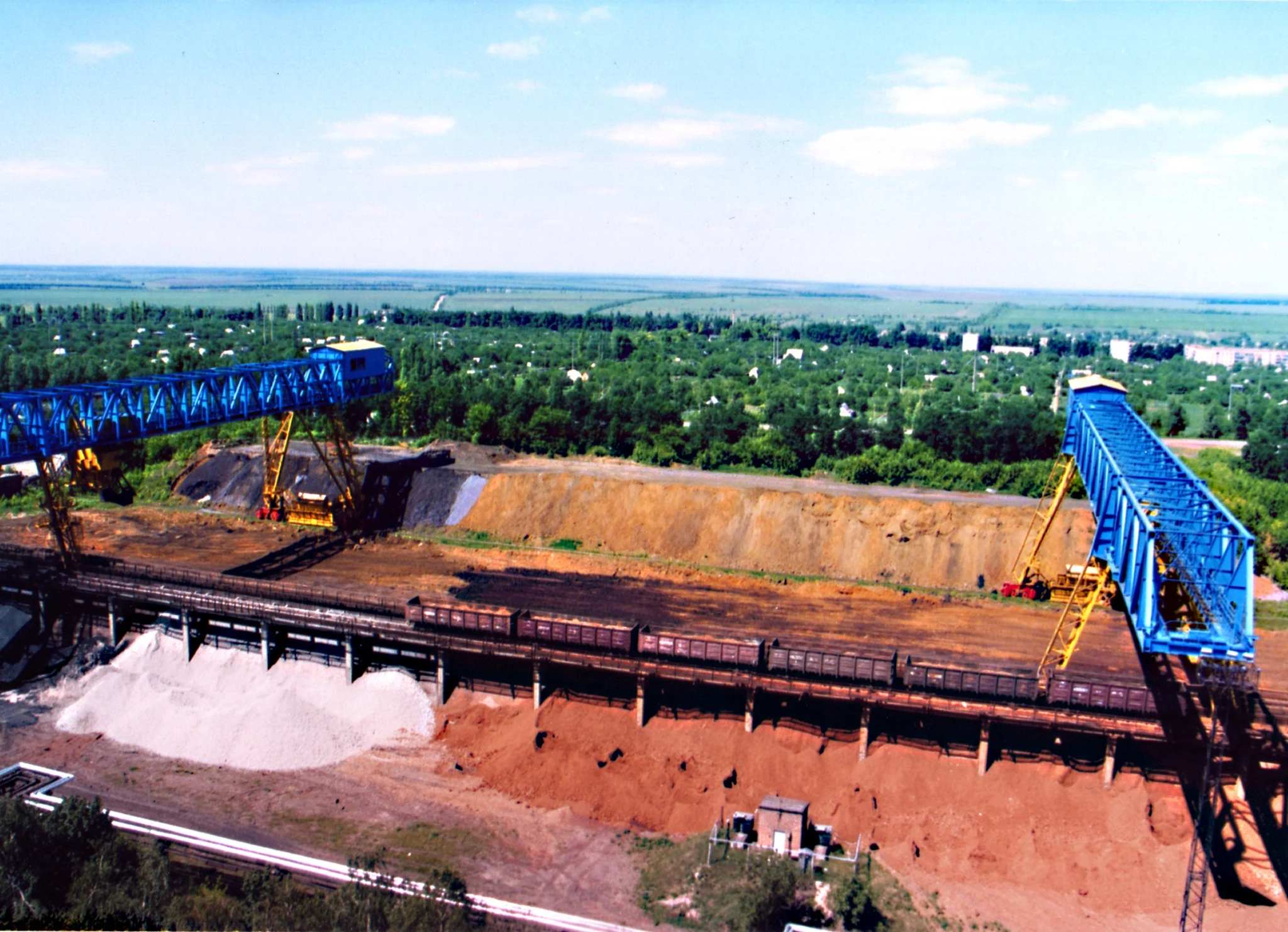
The historical process began with pre-drying of the ore feed, reducing moisture from approximately 30–35% to 18–20%. The dried ore was mixed with reducing agents and recycled dust recovered from electrostatic precipitators.
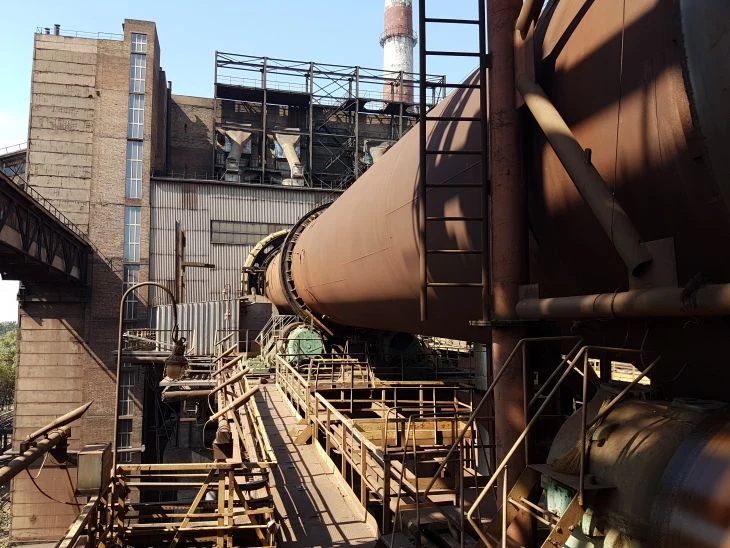
The prepared mixture was roasted in tubular rotary kilns approximately 4.5 metres in diameter and 70 metres long. Multi-fuel burners historically allowed the use of pulverised coal, natural gas and recovered furnace gas.
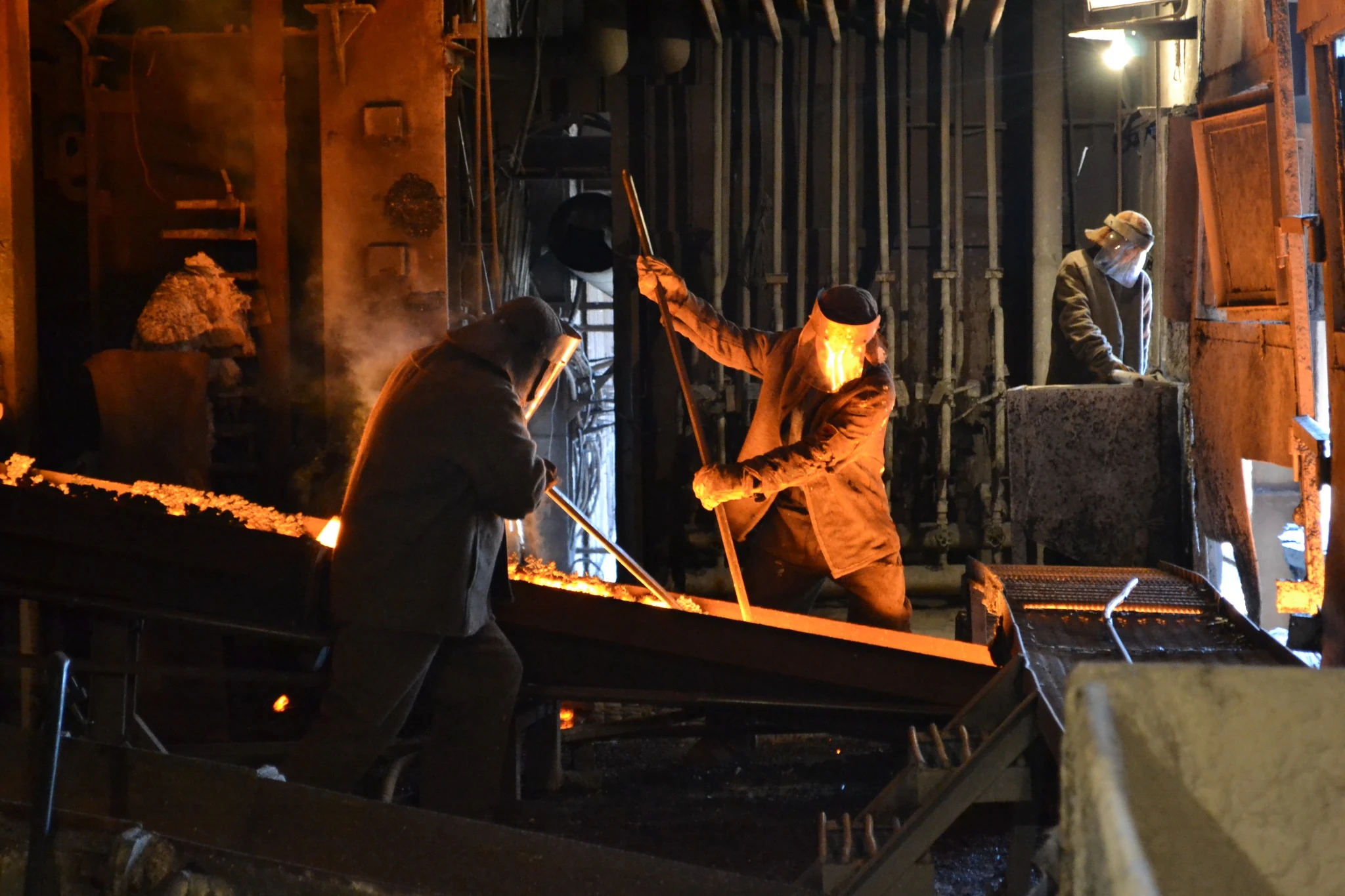
Hot calcine at approximately 800–900°C was transferred to the electric-smelting stage. PFK’s ore-thermal furnaces were described as 40 MW units equipped with six 1,200 mm self-baking electrodes.
Furnace gas from reduction smelting was cleaned and reused as fuel in the rotary kilns. Historical process documentation records gas output of approximately 7,000–11,000 m³/h and a reduction in pulverised-coal consumption of around 10–15%.
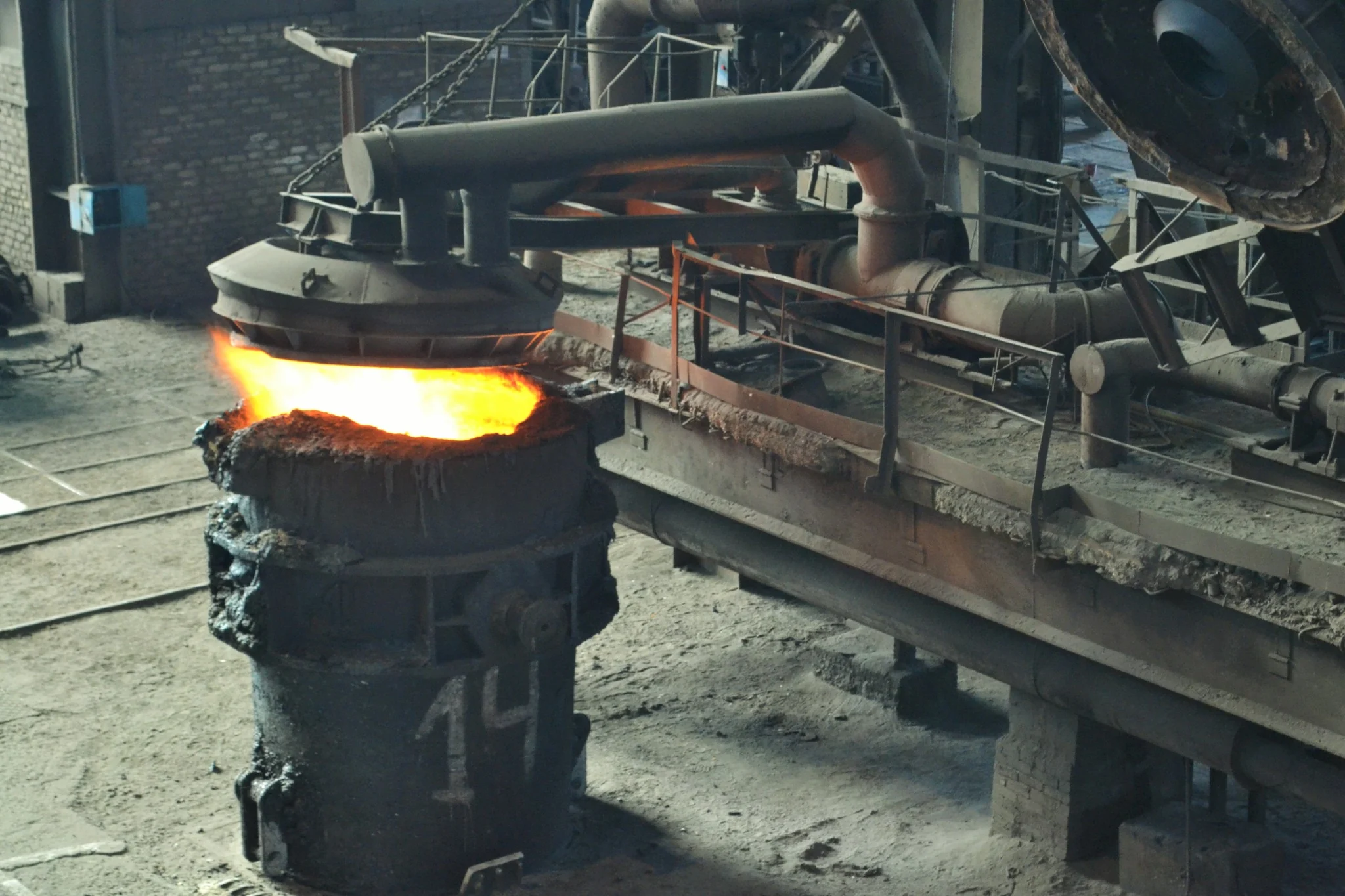
Crude ferronickel was tapped at approximately 1,350–1,460°C. Archived process data record crude metal with nickel content in the range of approximately 14–20% Ni before subsequent refining.
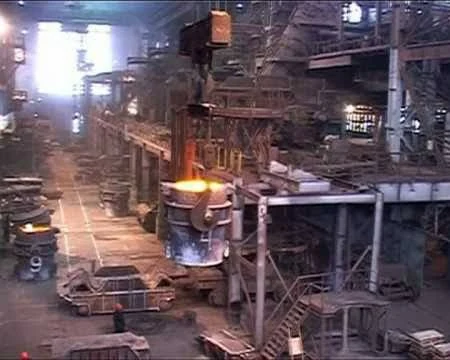
Final impurity removal was carried out in 50-tonne vertical converters using top-blown oxygen produced on site, with the refining sequence historically performed through two converters.
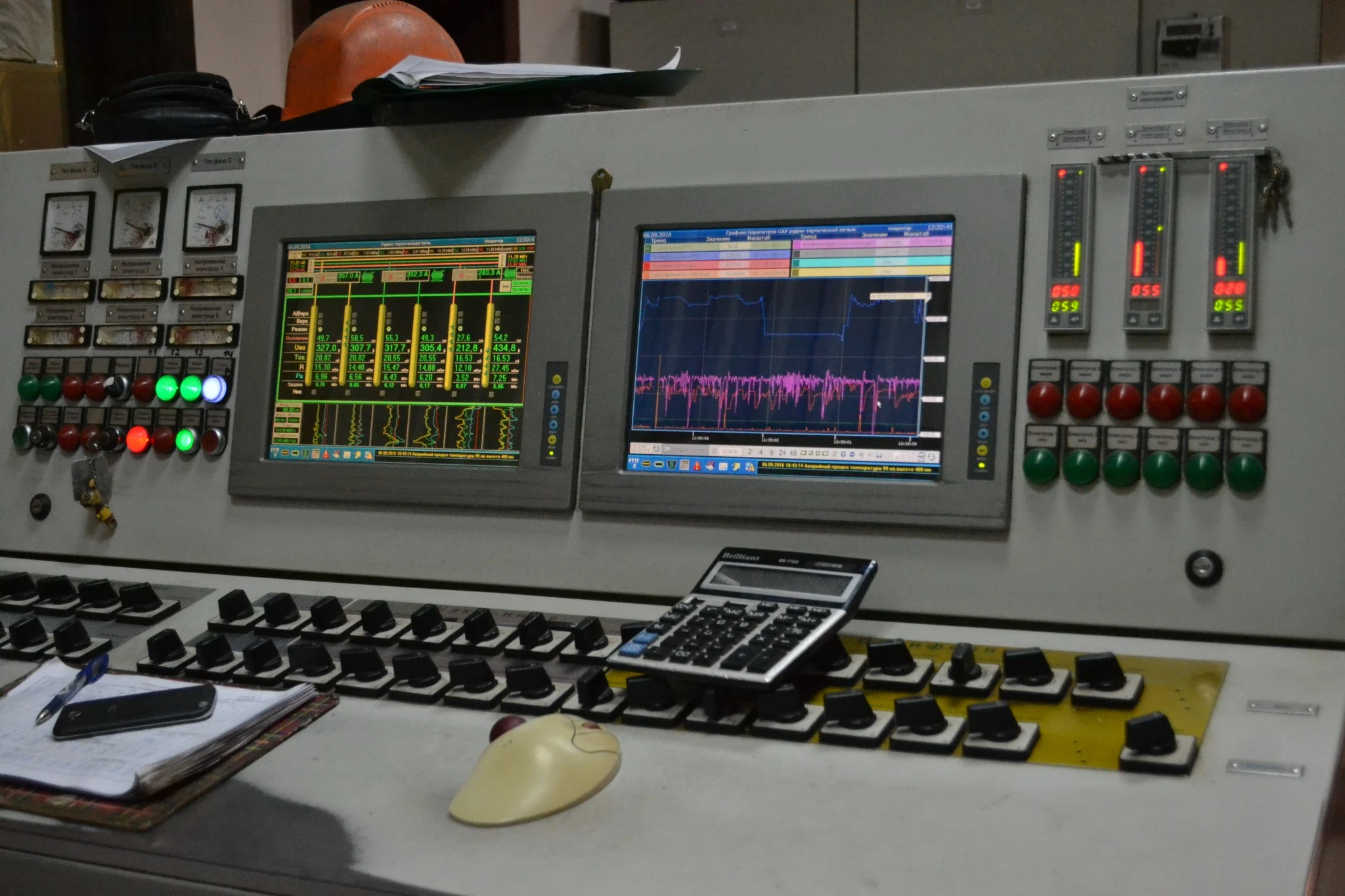
Historical figures are presented to demonstrate the proven scale of the integrated complex. They do not represent current production.
Existing high-voltage infrastructure includes the 110/35/10 kV Pobuzke substation and established plant distribution systems with switchgear, transformers and feeders documented in engineering records.
PFK has an established site gas-distribution network. The principal gas-distribution station is a registered PFK real-estate asset together with its associated engineering structures and access infrastructure.
The site has direct connection to Ukraine’s national rail network together with on-site railway lines and sidings historically supporting raw-material reception, product dispatch and heavy-industrial logistics.
Historical engineering documentation records an extensive industrial-water and fire-protection network with hydrant coverage across major production and utility areas.
The wider complex includes internal roads, workshops, warehouses, maintenance facilities, utilities and supporting industrial buildings that formed part of an integrated heavy-industrial operating platform.
The existing wastewater-treatment complex historically incorporated mechanical screening, grit removal, primary clarification, biological aeration, secondary clarification, polishing and controlled discharge, together with activated-sludge recirculation and sludge-management systems.
Historical records also document continuing reconstruction and improvement of gas-cleaning equipment serving the rotary-kiln process.
Environmental management →Archived records state that investment in energy-saving technologies during 2013–2014 exceeded US$15 million and that fuel-conversion programmes reduced natural-gas consumption from approximately 85 million m³ in 2013 to 16 million m³ in 2014.
Historical modernisation by Hatch on one ore-thermal furnace was reported to have increased its capacity by approximately 10%.
Major overhaul programmes continued into the late 2010s and early 2020s, including work on ore-thermal furnaces and tubular rotary kilns.
Historical corporate records state that PFK operated an integrated management system certified against ISO 9001:2015 for quality, ISO 14001:2015 for environmental management and ISO 45001:2018 for occupational health and safety. Current certification status should be verified before these are presented as active certificates.
PFK’s future development does not begin with a greenfield site. The existing complex already combines metallurgical infrastructure, high-voltage electricity, gas distribution, railway connectivity, internal roads, water and wastewater systems, workshops, warehouses and supporting facilities.
Future investment can therefore focus on rehabilitation, modernisation and selective expansion of strategic assets rather than recreating a complete industrial platform from the beginning.
Preserve and prepare the core ferronickel complex for potential future restart, subject to technical condition, economic feasibility, market conditions and the security environment.
Reuse underutilised industrial areas and existing infrastructure for manufacturing, logistics, contractors and complementary industrial activities, with phased rehabilitation of selected buildings and transport systems.
Develop new energy infrastructure around the site’s existing electrical and gas assets. Current concepts include modular gas-fired generation, battery energy storage, a small-capacity Electric Arc Furnace and potential grid export where technically and commercially justified.
Current development work considers distinct functional zones for core metallurgical activities, future energy development, industrial and logistics uses, future expansion and environmental buffers. The public website intentionally does not publish a headline total site-area figure while land and cadastral definitions are being reconciled.