
1956
Origins
Following exploration of nickel ore deposits in the Pobuzhye region, a Soviet government decision initiated the design and construction of a nickel plant and associated settlement near Kapitanka.
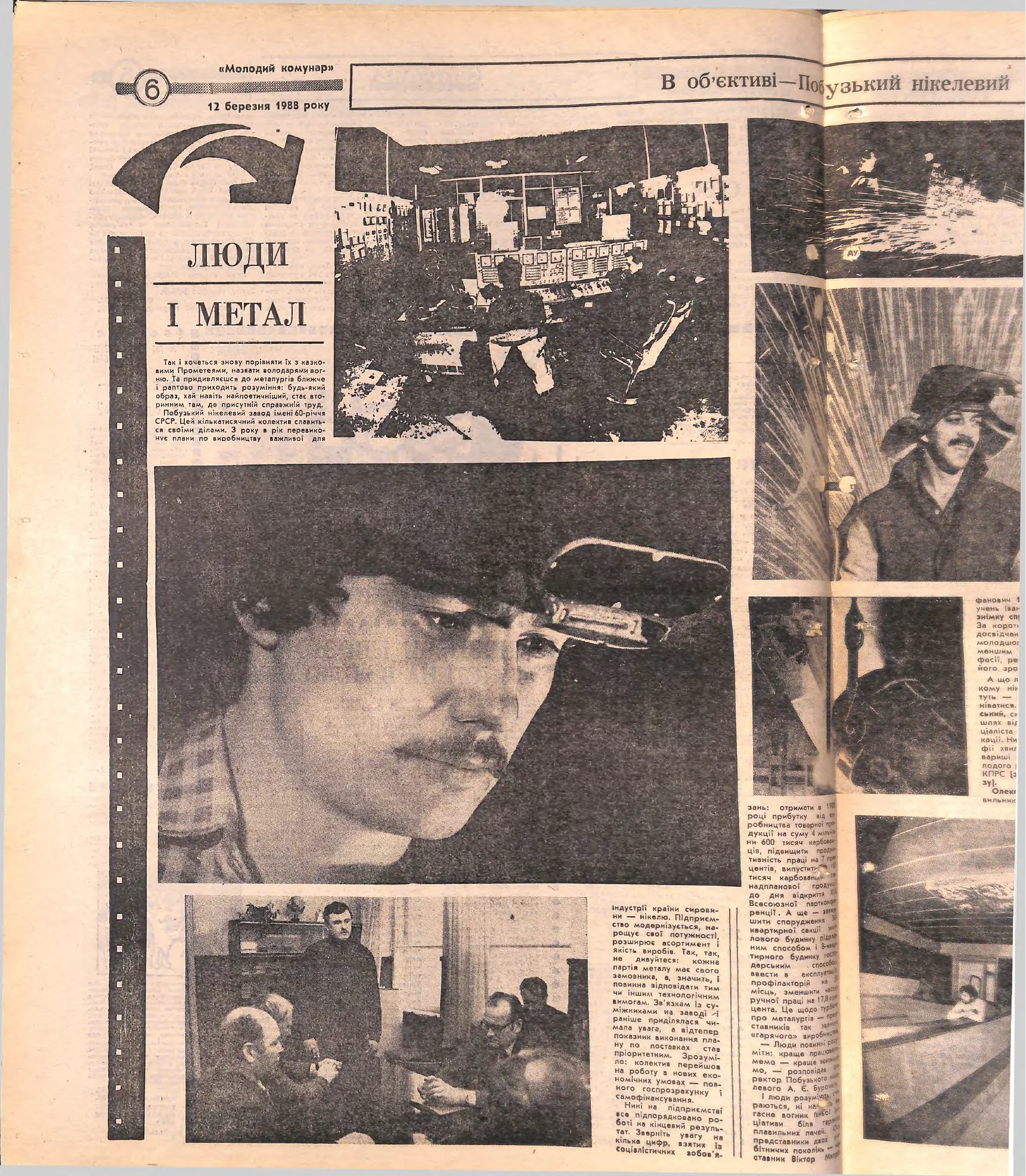
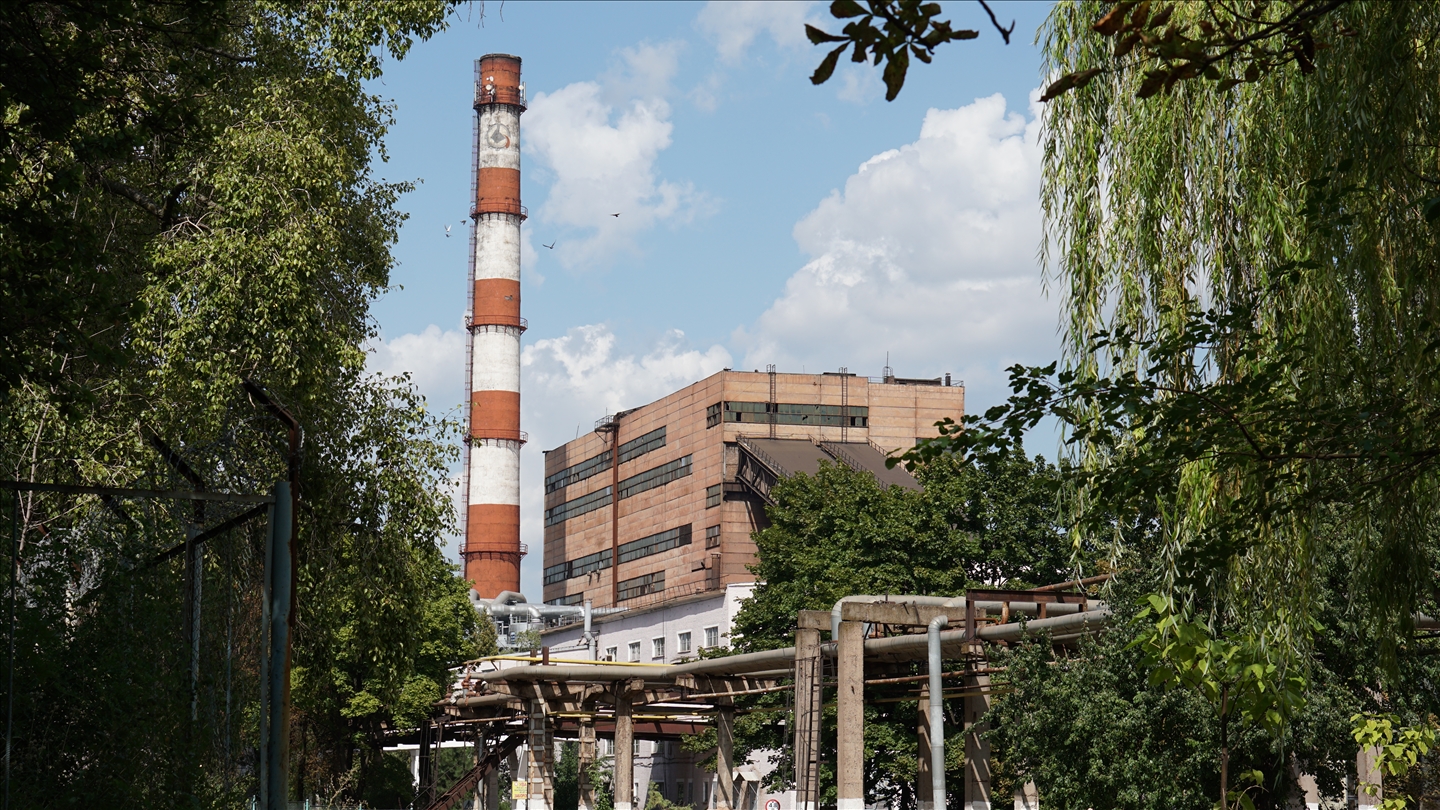
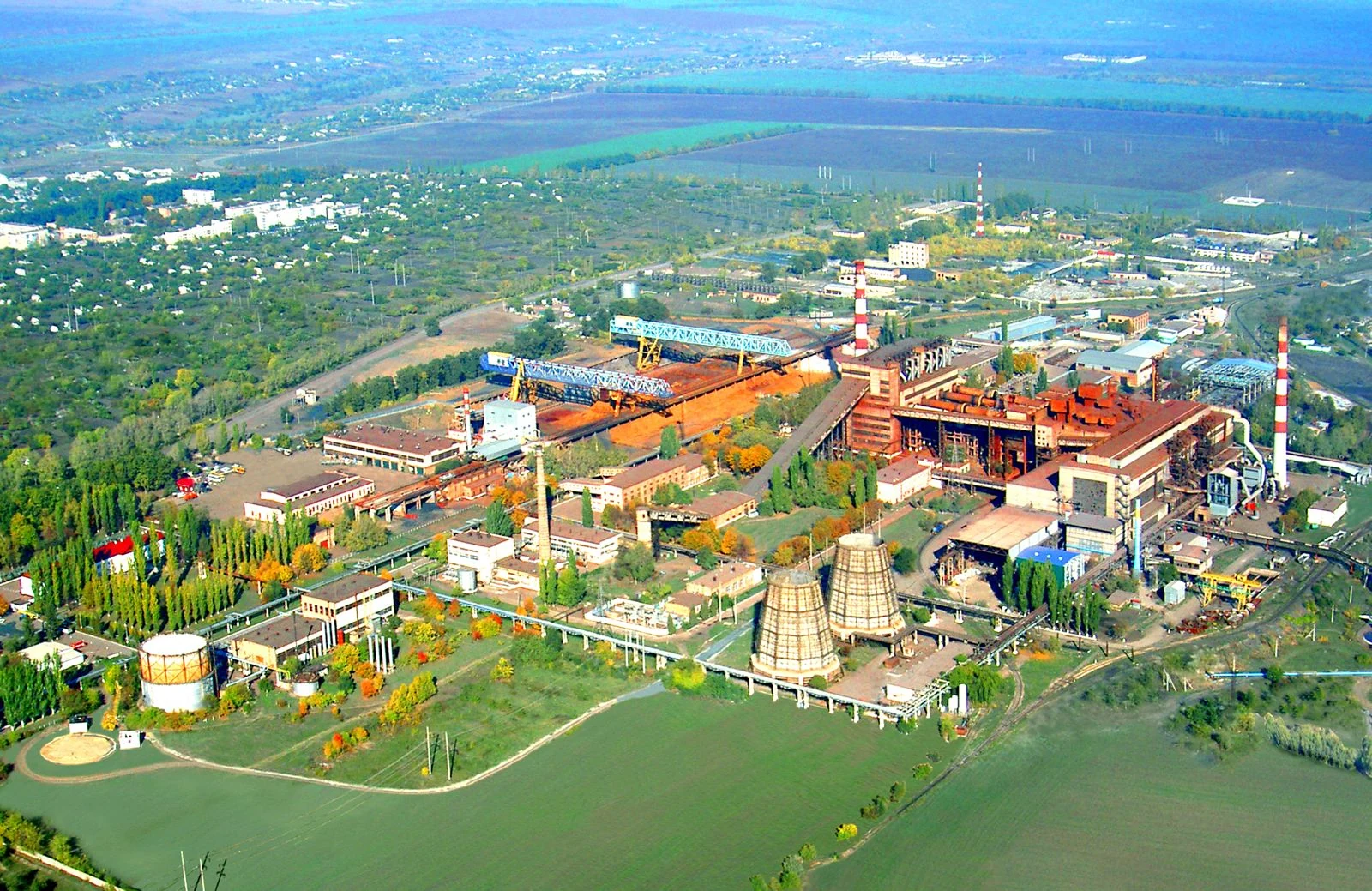
PFK has more than five decades of metallurgical history in central Ukraine. Its development has been closely connected with the industrial and social development of Pobuzhsky and the surrounding region.
In 2026, PFK became part of Avenir Holding. The new shareholder is building on that industrial heritage while preparing the company and its assets for a new stage of development.
The Pobuzhsky Ferronickel Works was created to process nickel-bearing ores and developed into an established ferronickel producer. The first stage of the plant was commissioned in 1972, and the first batch of commercial ferronickel was produced on 29 December 1972. A second production stage followed in 1973.
Over the decades that followed, PFK developed metallurgical production together with extensive industrial infrastructure, utilities, technical capabilities and workforce experience.
Following exploration of nickel ore deposits in the Pobuzhye region, a Soviet government decision initiated the design and construction of a nickel plant and associated settlement near Kapitanka.
Technical terms of reference for commercial ferronickel production were developed and subsequently approved.
The first stage of the plant was commissioned and the first batch of commercial ferronickel was produced on 29 December 1972.
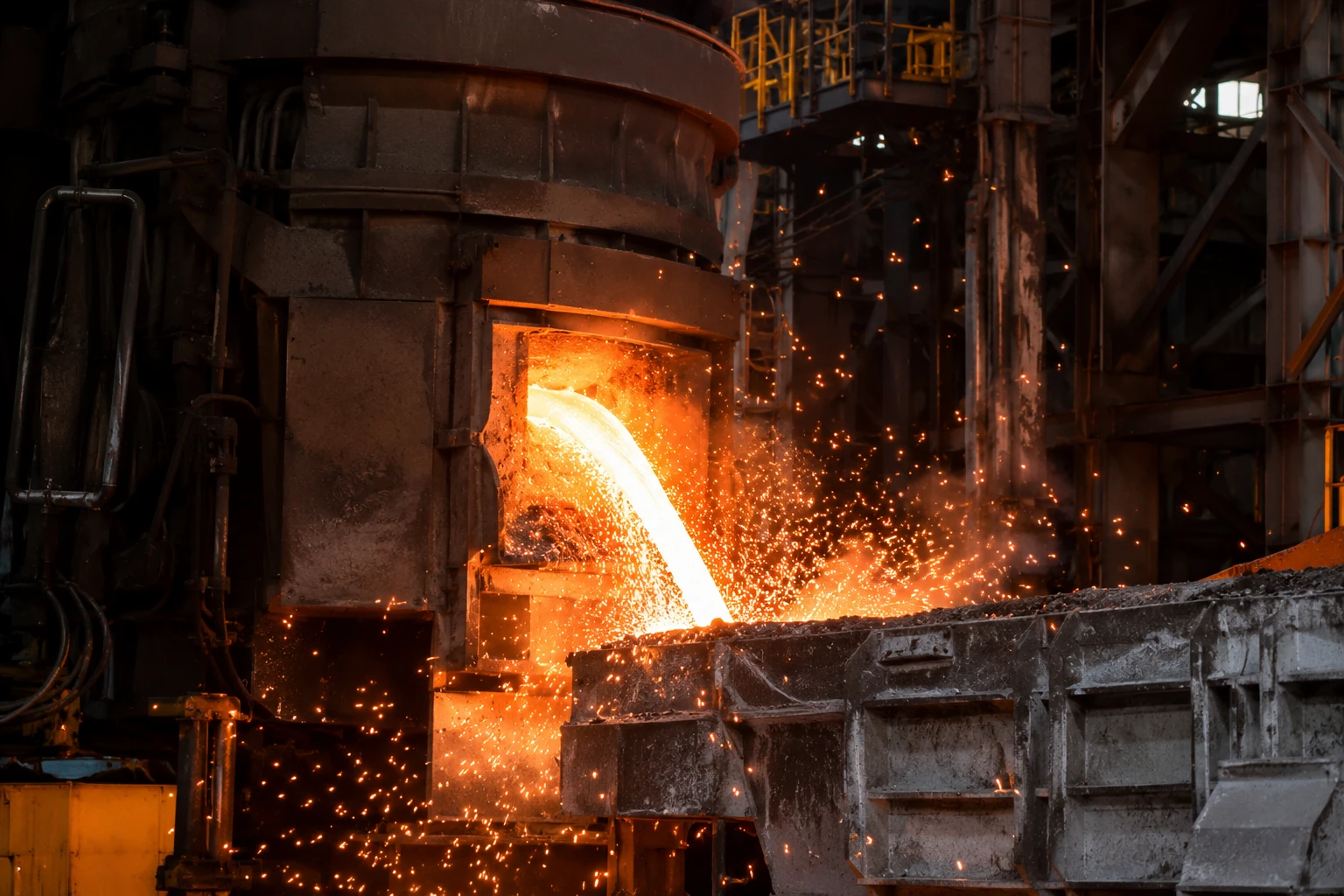
The second production stage entered operation, expanding the industrial base of the enterprise.
The state enterprise was reorganised as OJSC Pobuzhsky Ferronickel Works. A prolonged period of inactivity followed.
Following several years of shutdown, the assets were acquired by the previous shareholder and ferronickel production was restored.
A further reconstruction programme was undertaken with international engineering participation, including Hatch.
Following external disruption, PFK suspended metallurgical production from 1 November 2022.
PFK became part of the Avenir Group, beginning a new phase of strategic and long-term development.
Responsible stewardship, industrial renewal and preparation of the PFK Industrial & Energy Park.
Following external disruption, PFK suspended metallurgical production from 1 November 2022. The site subsequently entered a period focused on responsible preservation and stewardship.
Today, the priority is the responsible preservation and management of PFK’s industrial assets, infrastructure and capabilities, together with its responsibilities toward employees and the local community.
As part of the Avenir Group, PFK is preparing a new development programme intended to preserve the site’s industrial potential while creating a platform for future industrial and energy investment.
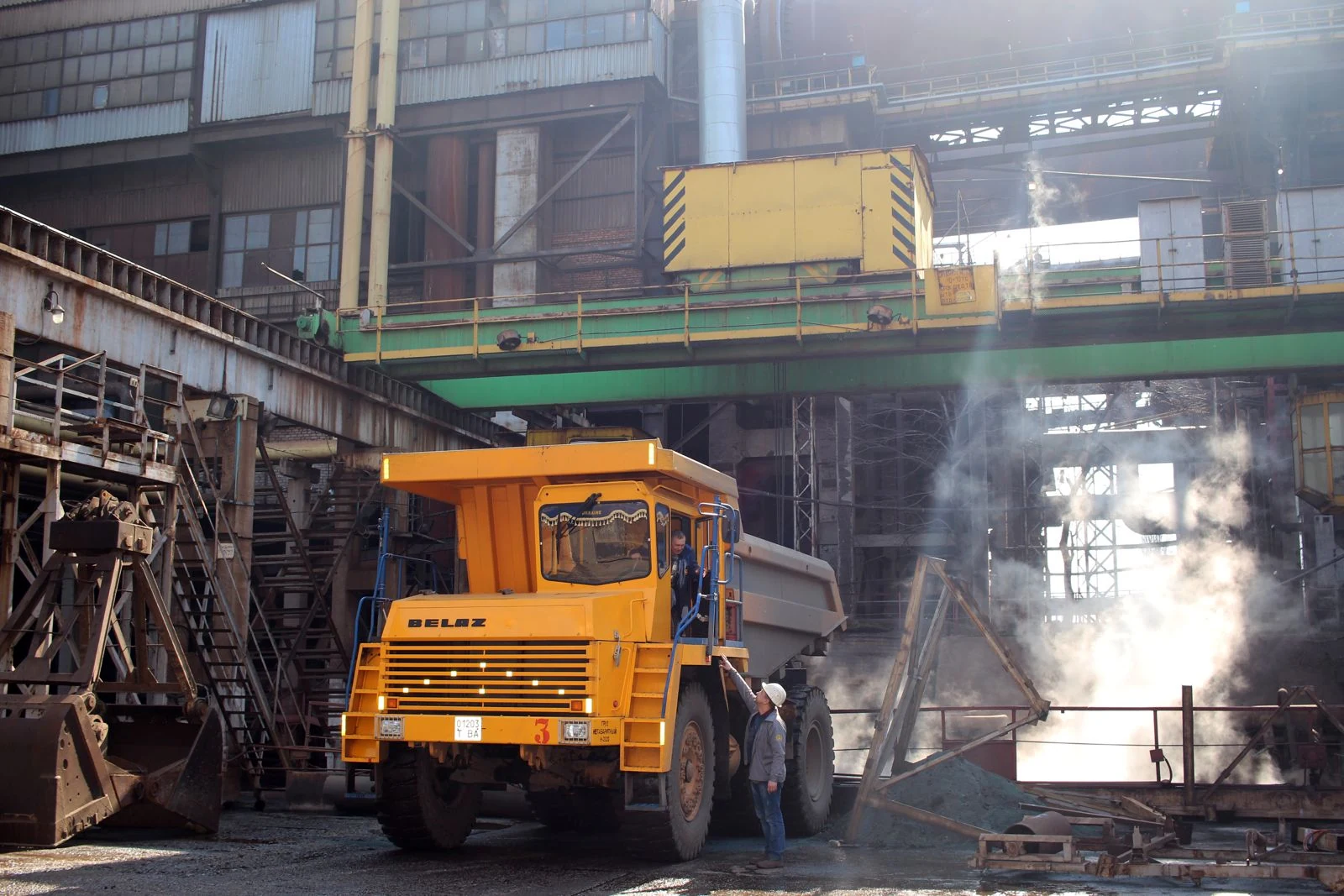
PFK is part of the Avenir Group of Companies. Its direct shareholder is Avenir Baltic OÜ, an Estonian company wholly owned by Avenir Holding AG, Switzerland.
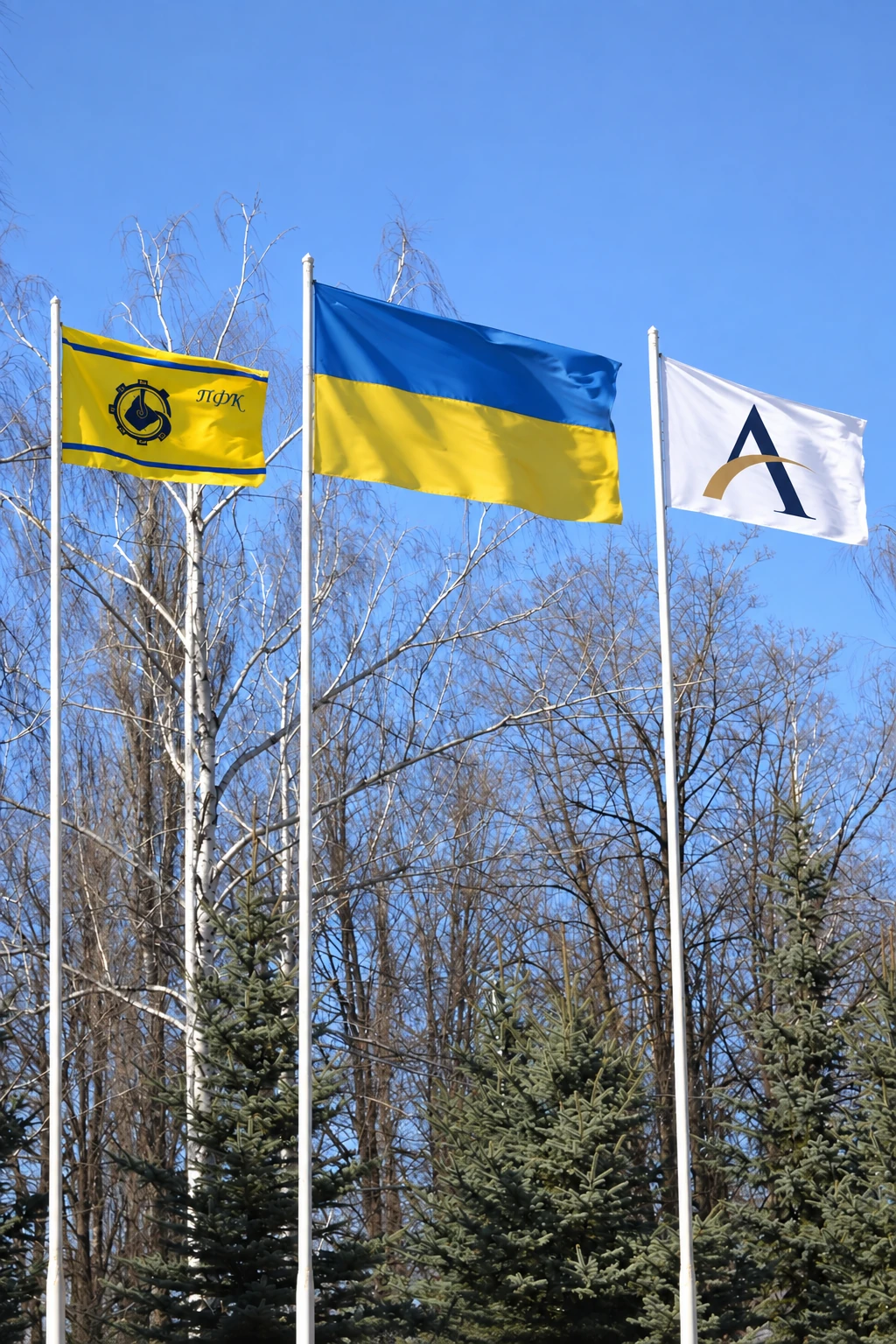
As part of the Avenir Group, PFK has initiated development work for the proposed PFK Industrial & Energy Park and the associated energy-development programme.
Latest development news →PFK and the settlement of Pobuzhsky have developed alongside one another for more than half a century.
The enterprise has historically been closely connected with employment, infrastructure and community life in the surrounding area. That relationship remains an important consideration in the future development of PFK.
Sustainability & Community →